Friday, 12 February 2016

Laser Liposuction - Less Pain, Quicker Recovery


Liposuction is a popular procedure for people who want to lose weight or remove stubborn fat. This procedure is favoured for a reason--because it is effective. One of the main drawbacks for liposuction is the after-care. For starters,patients have to stay a night at the hospital after the procedure. They usually feel discomfort and pain between for three to seven days. Apart from that, patients need to time off from work for one to two weeks and avoid strenuous activities--including walking-- for about half a month or more.
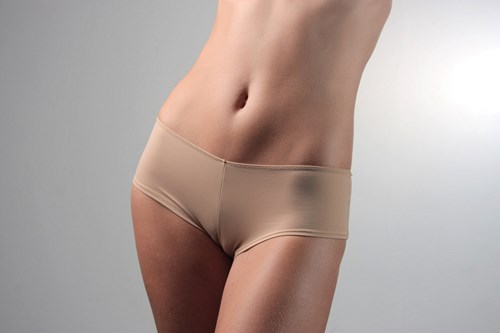


With laser liposuction, recovery is easier. Laser liposuction aids the actual surgical procedure by breaking down fats so that less effort is needed to get them out of the body. There are two types of laser liposuction: external and internal. External laser liposuction involves the use of a laser before the actual surgery begins. With internal laser liposuction, a laser is attached to cannula once it enters the body.

It is still very important to consult a doctor before having laser liposuction. Some clinics that already include pre-surgery consultations and even unlimited after-procedure appointments in the cost of the laser liposuction. One of the most important things a doctor can do is to help you find the right procedure that will best suit your lifestyle. For instance, smokers are discouraged from undergoing liposuction since they will have a harder time recovering. If you are a heavy smoker, your surgeon may recommend another solution.

Find clinics with experienced surgeons and doctors. Some clinics even offer answers to simple questions through their website. Another important thing to consider is patient care. The process does not end right after surgery. You will need to go back to their surgeon to see if your body is adjusting well and is recuperating correctly. Some clinics go the extra mile and even provide chauffeur services as an option for clients coming to visit them.

Know More about Rhinoplasty Surgery in Birmingham


A nose job or a Rhinoplastyis a type of surgical procedure performed to alter the shape of a nose. It is also done to improve the nose’s function,fixing any issues caused by birth defects or trauma.

If you are wondering how much a rhinoplasty costs in Birmingham, there is no definite answer. It depends on how much alteration you need or want. If your surgeon requires that you stay overnight in a hospital, you have to factor in associated expenses, too. People with documented breathing issues may be able to ask their health insurance provider to cover some portion of the procedure. Contact your health insurer to know more about your options.


Like any other surgery, a rhinoplasty - though it is safe - has its risks. The most common risksinclude infection, excessive bleeding, and adverse reaction to the administered anaesthesia.

Prior to the day of your rhinoplasty appointment, your surgeon might ask you to refrain from taking medications that cause postoperative bleeding issues or inhibit blood clotting, including aspirin and ibuprofen. If you are a smoker, you might be asked to stop smoking a month (or more) before the surgery. This is because smoking tends to slows down your body’s natural healing process, effectively making it harder for you to recover.

A rhinoplasty is usually performed under general anaesthesia. The procedure lasts about two hours. Depending on what is best for your condition, the surgeon may decide to make an incision between the nostrils across the bottom of the nose (open technique), or in your nostril’s lining (closed technique). The surgeon then removes or rearranges the cartilage, sometimes breaking the bone to reshape your nose.

Recovery time is about a week and a half. You might be asked to wear a nasal splint for the ten days following your surgery. Expect some moderate bruising and swelling around the eyes, which can last up to 14 days. Avoid strenuous activities during this time. Your surgeon will determine when it’s safe for you to return to your normal routine.

Gynecomastia Surgery - Risks Involved in it


Gynecomastia (enlargement of male breasts) is nothing to be ashamed of. This condition is very common among men and affects up to 60% of the population. Many causes are attributed to gynecomastia, including obesity, drug-use, hormonal imbalances, and more. This condition does not only affect a person physically—it can also cause a man to have lower self-esteem.

One of the ways to get rid of “man boobs” is to undergo surgery. Not everyone will be an eligible candidate for gynecomastia surgery, however, and that’s why it is important to consult a surgeon first. Heavy smokers, in particular, tend to have a harder time recovering when they undergo gynecomastia surgery. A trained and experienced surgeon can help determine if this procedure is right for you.
 
Just like any other surgery, gynecomastia has some risks, including swelling, temporary numbness, and bruising. More serious risks such as nipple loss, permanent numbness, bleeding, asymmetry, bad scaring, and infections are also possible. Make sure to find a good surgeon who is licensed and experienced. It is also important to find a clinic that can offer premium quality care pre- and post-procedure.

After undergoing gynecomastia surgery, it is common for patients to feel pain and discomfort for three to seven days. Your surgeon may recommend that you take time off work for at most two weeks and try to keep activities at a low level for six weeks. Follow-up with the doctor after a week, two weeks, and then after three months.

There are some clinics that can offer 24/7 after care and even include unlimited after-procedure appointments in the price of gynecomastia surgery. Some of the best clinics even offer psychological counselling.  Make sure the clinic you choose is close to your house. There are clinics with several locations around England and can even offer chauffeur services.

Tuesday, 15 December 2015

Know More about Arm Lift Surgery


Ageing, losing a significant amount of weight, fluctuations in your weight, and genetics are some of the factors that may cause your upper arms to sag or droop. Exercise is not enough to correct this condition, especially if there is too much sagging skin and excess fat. The good news is, you can consider an arm lift surgery or brachioplasty, which will reduce the excess and loose skin as well as smoothen and tighten the underlying supportive tissue that defines the contours of your arms. Arm lift surgery may reduce the localised pockets of fat in your upper arm region, too. This procedure may be an option if the underside of your upper arms appears loose or are sagging.

Arm lift surgery candidates are typically adults with significant laxity in the skin of their upper arms. You are a good candidate if your weight is stable or you are not overweight. Likewise, you need to be healthy and without any medical conditions, which may increase the risk of the surgery or impair healing. You should also be a non-smoker with realistic expectations and a positive outlook on the procedure.

When considering arm lift surgery, remember that brachioplasty aims to reduce the skin redundancy and the arm circumference. If your skin tone is good or it is found to have minimal sagging, then liposuction may be recommended to minimise the fat deposits. However, if the surgeon finds skin laxity or redundancy, then an arm lift may be for you. Consult with a board certified and accredited cosmetic surgeon about arm lift surgery to know if it is the best solution for your sagging arms.

An arm lift surgery typically involves making an incision in an axillar crease and in the arm's internal aspect along a line, which extends from the axilla to the elbow's epicondyle. Then, the surgeon will remove a piece of skin dermis and fat before closing the subcutis and skin through routine aesthetic suturing.

Know More about Male Breast Reduction Surgery in London


Men can develop overly large breasts that is termed gynaecomastia, a condition that describes the development and growth of the breast tissue in men. Certain factors can contribute to the growth of a man's breasts, such as hormonal imbalance, genetic factors, and environmental factors. While it is mainly harmless, gynaecomastia can be unsightly and may cause you to feel insecure, especially when you have to take off your shirt. In some cases, the growth of the breast tissue may be asymmetrical, which means that one breast is larger than the other. Regardless of the cause, the condition can be corrected with male breast reduction surgery in London.

Breast tissue is not merely made out of fat, so conventional exercise and dieting may not fully help reduce the size of overgrown breasts. Male breast reduction may be a better and quicker option to restore your breasts to a normal size if you want to avoid medications for treating hormonal imbalance. Some medications may not be effective and may have serious side effects, too. A cosmetic surgeon may recommend a combination of high-quality medication with male breast reduction surgery to achieve the best results.

Male breast reduction surgery is more effective if you have had gynaecomastia for over one or two years. The procedure will depend on the amount and type of breast tissue you have, as well as the amount of glandular tissue, fatty tissues, and other structures around the breast. In some cases, liposuction may be administered alone or in conjunction with the gynaecomastia surgery. If you have sagging breasts, the surgeon may recommend the cosmetic removal of subcutaneous tissue and excess skin to improve overall shape and appearance. If the degree of Gynaecomastia is mild and fatty then this can sometimes be improved with fat dissolving injection using Aqualyx, that is a non-surgical out-patient procedure.

It is best to consult with a cosmetic surgeon who is a member of the British Association of Plastic, Reconstructive and Aesthetic Surgeons (BAPRAS) about breast reduction surgery in London. This way, you can be sure that you are getting the right information and that you can make a more informed decision about undergoing gynaecomastia surgery.